10.0.0.1 | Login – Admin
If you have ever tried to change your Wi-Fi password or check who’s using your network, you’ve probably come across 10.0.0.1.
This simple IP address opens the door to your router’s admin control panel, where all network settings live.
Many people mistype it as 10.0.0.0.1, which doesn’t exist — the correct one always has four sets of numbers only.
What Is 10.0.0.1 and Why It Matters
10.0.0.1 is a private IP address used by router makers like Xfinity (Comcast), Cisco, and LPB Piso WiFi.
It works inside local networks — your home or shop — and lets you log in to configure Wi-Fi names, passwords, and connected devices.
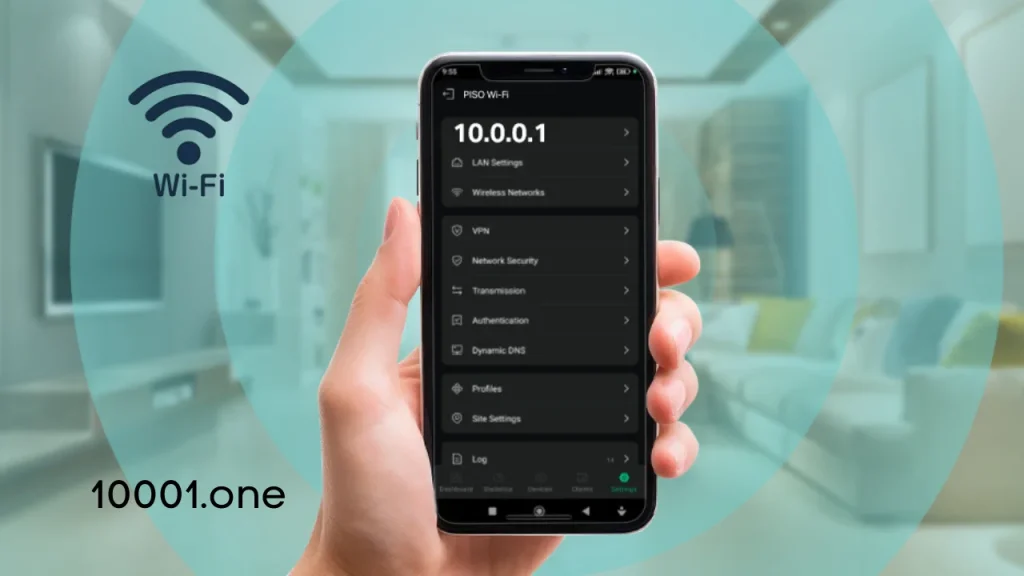
Unlike public IPs, which identify your internet connection globally, this private address only works within your local Wi-Fi.
Default Router Brands Using 10.0.0.1
| Brand | Username | Password | Purpose |
|---|---|---|---|
| Xfinity / Comcast | admin | password | Home Wi-Fi routers |
| LPB Piso WiFi | admin | 123456789 | Coin vending routers |
| Cisco | cisco | cisco | Business networks |
| Arris | admin | password | Cable routers |
| Technicolor | admin | admin | Fiber connections |
These are factory defaults — always change them once you log in.
How to Login to 10.0.0.1 Admin Panel
Access your router’s admin panel through 10.0.0.1 to change Wi-Fi password, SSID, and network settings for Xfinity, TP-Link, and other popular router brands.
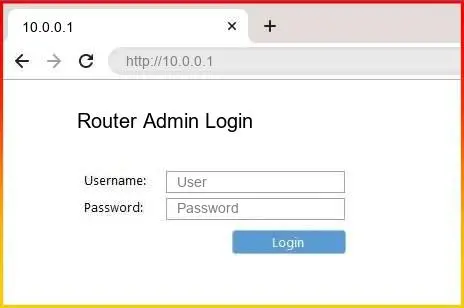
- Connect your computer or phone to the router via Wi-Fi or LAN cable.
- Open any browser — Chrome, Edge, Firefox, or Safari.
- Type
http://10.0.0.1into the address bar and press Enter. - The login page appears; enter the default username and password.
- After a successful login, the admin dashboard opens — here you can adjust network settings.
Tip: If the page doesn’t load, clear your browser cache or try another browser before restarting your router.
Common Login Issues and Fixes
- Wrong Address Typed: Always use
10.0.0.1, never10.0.0.0.1. - Incorrect Gateway: Check your router’s real IP by running
ipconfig(Windows) or viewing Router Address under Wi-Fi settings (macOS / mobile). - Slow Loading: Disable VPNs, clear cache, and retry.
- Hardware Problem: Unplug your router for 30 seconds, then plug it back in.
- Network Conflict: If multiple routers share 10.0.0.1, assign one a new IP like 10.0.0.2.
How to Reset Your Router Safely
If your router freezes or you forget the password:
- Locate the reset hole on the back.
- Press and hold it with a pin for 10–15 seconds.
- Wait for lights to blink and release.
- The router will reboot with factory defaults.
You can now log in again using the default credentials found on the sticker under the router.
Advanced Settings You Can Control with 10.0.0.1
✔ Change Wi-Fi name (SSID)
✔ Create or edit passwords
✔ Enable Guest Network
✔ Block unknown devices
✔ Manage firewall rules
✔ Set parental controls or time limits
✔ Monitor connected devices
These settings help you build a faster and more secure home network.
LPB Piso WiFi and 10.0.0.1 (Admin Access)
In the Philippines, LPB Piso WiFi uses 10.0.0.1 or 10.0.0.1/admin to manage vending machines that sell internet time. Shop owners can log in to change rates, generate vouchers, or pause connections.
Customers simply connect to the Wi-Fi and open 10.0.0.1 in their browser to insert coins or enter a voucher code. This system makes internet access affordable and easy to control for small communities.
Incorrect vs Correct IP Formats
| Incorrect | Correct |
|---|---|
| 10.0.0.0.1 | 10.0.0.1 |
| 1.0.0.0.1 | 10.0.0.1 |
| https://10.0.0.1 | http://10.0.0.1 |
| 10.0.01 | 10.0.0.1 |
Even a single extra digit or character makes the address invalid.
How to Find Your Router’s IP Address
Windows:
Press Windows + R → type cmd → enter ipconfig → look for Default Gateway (10.0.0.1).
macOS:
System Settings → Network → Advanced → TCP/IP tab → see Router field.
Android:
Settings → Wi-Fi → Tap connected network → scroll to Gateway.
iPhone (iOS):
Settings → Wi-Fi → (i) icon beside network → Router section shows 10.0.0.1.
Security Tips for Router Admins
- Change the default password immediately after login.
- Keep router firmware updated monthly.
- Use WPA2 or WPA3 encryption.
- Turn off remote management if unused.
- Avoid sharing Wi-Fi credentials publicly.
- Regularly check for unknown devices on your network.
Strong security keeps hackers and bandwidth thieves away from your connection.
FAQs
1. What is 10.0.0.1 used for?
It opens your router’s admin panel to change settings such as Wi-Fi name, password, and security options.
2. Why can’t I access 10.0.0.1?
Check if you typed it correctly and if you’re connected to the router’s network. Also try 192.168.0.1 or 192.168.1.1.
3. Is 10.0.0.0.1 the same as 10.0.0.1?
No. 10.0.0.0.1 is invalid because an IPv4 address can only contain four numeric blocks.
4. Which routers use 10.0.0.1 by default?
Routers from Xfinity, Cisco, Arris, Technicolor, and LPB Piso WiFi commonly use this IP for login.
5. Can I change my router’s IP address?
Yes, from the admin panel. But remember the new IP or you’ll need a factory reset to recover it.
Final Thoughts
The 10.0.0.1 login address is your gateway to a faster, safer, and more personalized Wi-Fi experience.
Whether you own a business router from Cisco or a Piso WiFi machine in your store, logging into this panel gives you total control over your network. Always protect your credentials, keep firmware updated, and use strong passwords to stay safe online.